
Seamless Integration
Implementing a sleep program shouldn’t disrupt your workflow. Our team provides end-to-end support, from patient screening to follow-up care, allowing you to offer Oral Appliance Therapy (OAT) with minimal staff involvement.


Effective OSA Treatment
Obstructive Sleep Apnea (OSA) is a widespread but often undiagnosed condition that significantly impacts cardiovascular health, metabolic function, and overall quality of life. As healthcare providers, identifying and treating OSA is critical in reducing the long-term risks associated with untreated sleep-disordered breathing. While CPAP therapy has long been the standard treatment, many patients struggle with compliance, leaving them vulnerable to ongoing health complications.
Traditional treatment with CPAP machines has low patient compliance due to discomfort. This is where DSM-MD’s integrated sleep program provides a game-changing alternative.
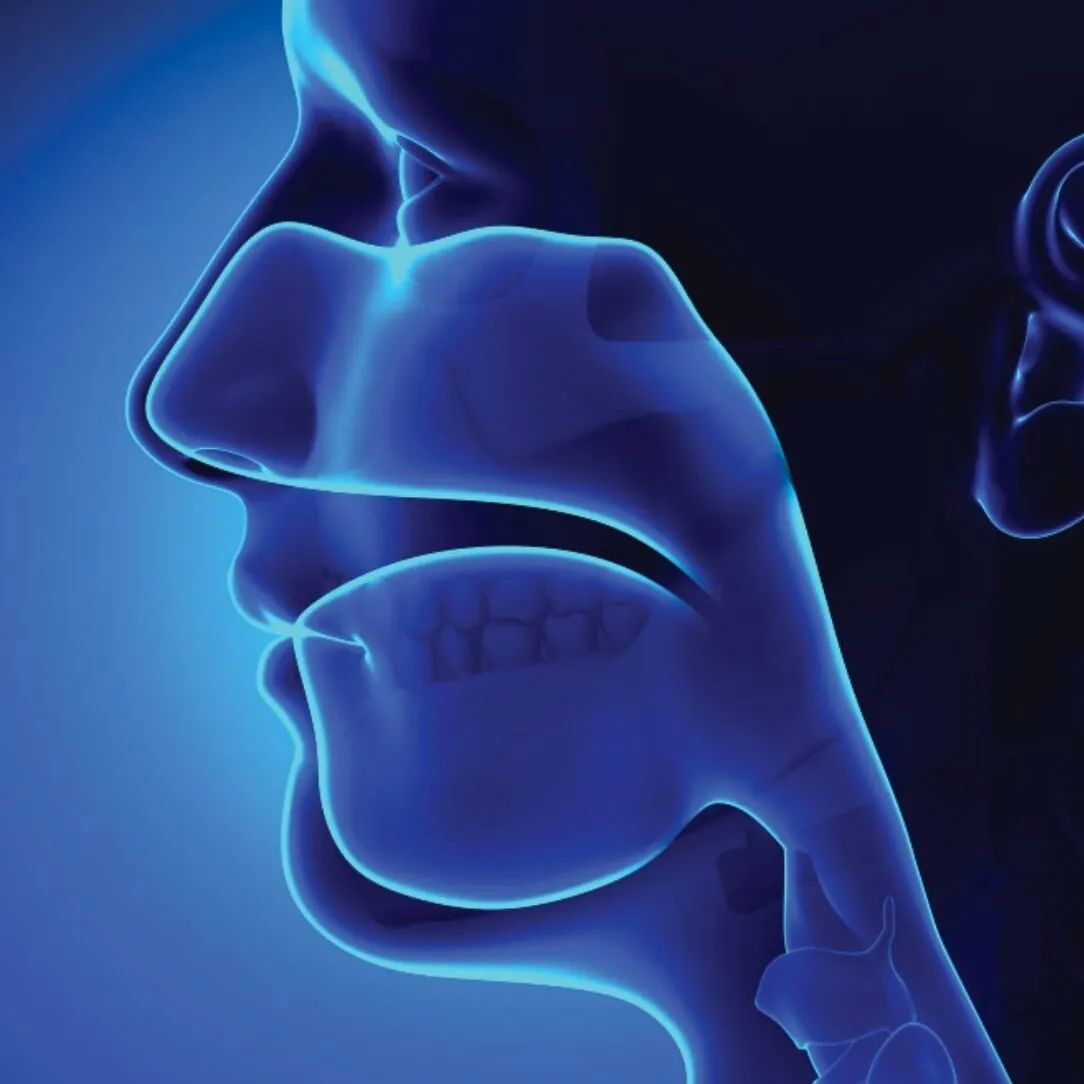
Understanding OSA
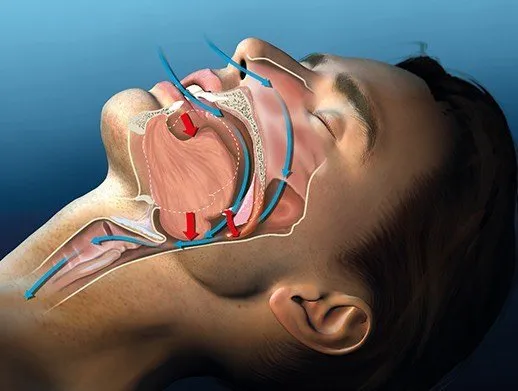
Obstructive Sleep Apnea (OSA) is a serious sleep-related breathing disorder that causes partial or complete airway blockages during sleep. These interruptions, known as apneas and hypopneas, last at least 10 seconds and can occur hundreds of times per night. As airflow decreases, oxygen levels drop by as much as 40% in severe cases, triggering brief awakenings that fragment sleep and leave patients feeling exhausted during the day.
OSA can affect individuals of any age, but its prevalence rises significantly in middle and older age groups. Studies show that:
Untreated OSA can lead to life-threatening conditions, including:
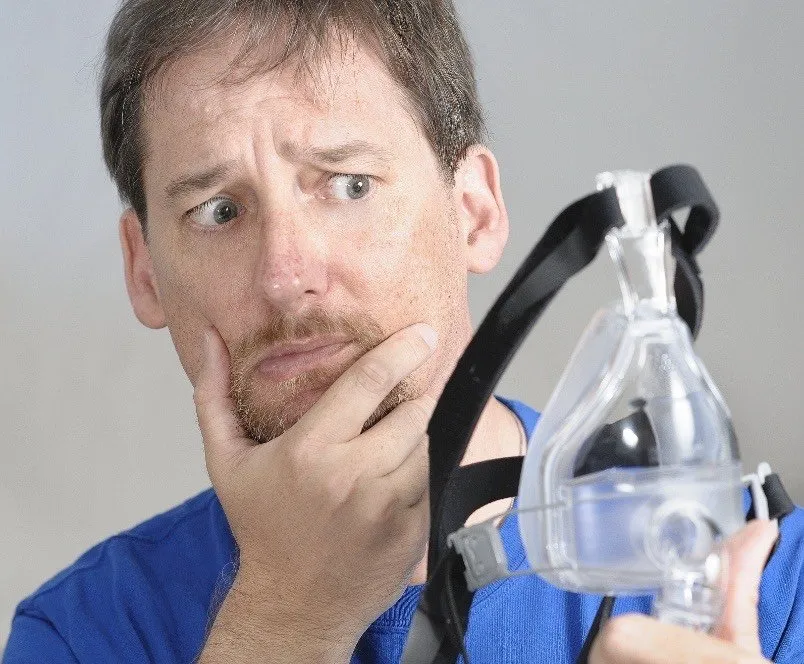
OAT offers an effective, non-invasive alternative to CPAP by preventing airway collapse. Unlike CPAP, which forces air through the airway, OAT gently repositions the jaw to maintain an open airway naturally. This approach significantly reduces daytime fatigue, improves cognitive function, and enhances overall quality of life while ensuring better compliance due to comfort and ease of use.
Jaw posture plays a critical role in airway stability during sleep. By addressing mandibular positioning, OAT provides a targeted, patient-friendly solution that enhances airway stability and promotes restful sleep. Research shows that:
The Solution
Oral Appliance Therapy (OAT) is a non-invasive, cost-effective solution for managing OSA, offering greater comfort and higher patient compliance compared to CPAP. It effectively reduces daytime sleepiness, enhances overall well-being, and improves perceived health status. Additionally, OAT has been shown to boost cognitive function and psychomotor performance, including faster reaction times and reduced fatigue. For patients who struggle with CPAP intolerance, OAT provides a highly effective alternative and can also be used alongside CPAP for enhanced treatment outcomes.
OAT provides the same health benefits as CPAP while offering superior patient compliance.
With an 80% success rate, OAT is a proven solution for mild, moderate, and even severe OSA cases.
All without the common CPAP challenges of:
How DSM-MD Supports Physicians
Research consistently demonstrates that OAT is an effective and patient-friendly treatment option for OSA. It offers similar health benefits as CPAP, with greater patient compliance and improved quality of life. By incorporating OAT into your practice, you can provide your patients with a comfortable and effective alternative to CPAP, leading to better treatment outcomes and improved sleep health.
At DSM-MD, we partner with physicians to provide a streamlined, patient-friendly solution for OSA management. Our integrated sleep program ensures that patients receive effective, evidence-based treatment while minimizing the administrative burden on your practice. We work closely with you to enhance patient outcomes, improve adherence, and expand access to alternative therapies beyond CPAP.
Implementing a sleep program shouldn’t disrupt your workflow. Our team provides end-to-end support, from patient screening to follow-up care, allowing you to offer Oral Appliance Therapy (OAT) with minimal staff involvement.

Through our collaborative model, physicians can generate a passive revenue stream without additional overhead.

We prioritize patient education and engagement, helping individuals understand their treatment options while maximizing their medical benefits. This leads to higher compliance, improved sleep health, and better long-term outcomes.

Navigating insurance and billing for sleep medicine can be complex. DSM-MD takes care of the administrative and legal aspects, ensuring smooth reimbursement while keeping your practice compliant with industry standards.
In patients with evaluable data, there was an 80% success rate for treatment of OSA using a custom-fabricated adjustable MAD including substantial numbers of patients with moderate and severe disease.
In a crossover trial of 61 adults with polysomnography-confirmed OSA, four weeks of mandibular advancement splint therapy produced a significant fall in 24-hour diastolic blood pressure, driven mostly by a drop of about 3 mmHg in the early morning, with a similar early-morning drop in systolic pressure.
Gotsopoulos H, Kelly JJ, Cistulli PA. Oral appliance therapy reduces blood pressure in obstructive sleep apnea: a randomized, controlled trial. Sleep. 2004;27(5):934–41.
Read on PubMedCPAP and mandibular advancement devices produced comparable gains in daytime sleepiness and quality of life. Patients wore their oral appliance an average of 6.5 hours a night versus 5.2 hours for CPAP, which helps explain why the two therapies land at similar real-world effectiveness.
Phillips CL, Grunstein RR, Darendeliler MA, et al. Health outcomes of continuous positive airway pressure versus oral appliance treatment for obstructive sleep apnea: a randomized controlled trial. Am J Respir Crit Care Med. 2013;187(8):879–87.
Read on PubMedOver one year of mandibular advancement device therapy, patients with mild to moderate OSA improved on perceptive ability, convergent thinking, and psychomotor reaction time, alongside less daytime sleepiness and better quality of life.
Galic T, Bozic J, Ivkovic N, et al. Improvement of cognitive and psychomotor performance in patients with mild to moderate obstructive sleep apnea treated with mandibular advancement device: a prospective 1-year study. J Clin Sleep Med. 2016;12(2):177–86.
Read on PubMed